Night diving and low visibility diving
Discover Night Diving
The Night Diving / Limited Visibility Diver PSAI course is designed for divers who want to learn the principles of night diving and develop the skills required to dive safely in limited visibility conditions.
The training covers underwater navigation, buddy communication, the proper use of diving lights, and safety procedures specific to night diving and limited visibility conditions.
4,9

Trust the dive center trusted by divers.
Why do divers choose Demon Ray?
- Experience in recreational and technical diving
- Training led by an active TEC Instructor
- Personalized development for every diver
- Focus on technique, control, and safety
WHO IS THIS COURSE FOR?
The Night Diving / Limited Visibility Diver PSAI course is designed for certified divers who want to gain new experience and prepare for safe diving at night and in limited visibility conditions.
For Night Diving Enthusiasts
Would you like to experience the underwater world from a completely different perspective? At night, you can observe marine life and behaviors that you would never encounter during daytime dives.
Advanced Divers
Would you like to feel confident diving in limited visibility? You will learn navigation, communication, and safe movement techniques for diving in more challenging visibility conditions.
For Safety-Conscious Divers
Would you like to learn how to respond correctly during night dives? This course will prepare you to confidently plan, organize, and conduct night dives safely.
WHAT WILL YOU LEARN IN THE COURSE?
The Night Diving / Limited Visibility Diver PSAI course develops the skills required for safe diving at night and in limited visibility conditions.
During the training, you will learn:
- Sicherheitsverfahren für Nachttauchgänge
- Hazards associated with limited visibility
- Proper equipment selection and preparation
- Use of different light sources
- Light signals and buddy communication
- Underwater navigation using a compass
- Dive site organization and safety
- Procedures for diving in good and limited visibility
- Responsible interaction with nocturnal aquatic life
The goal of the Night Diving / Limited Visibility Diver PSAI course is to prepare divers to perform night dives and dives in limited visibility safely, confidently, and with full awareness.
Course Information
- Minimum Age: In accordance with PSAI standards for the participant’s current diving certification.
- Prerequisites: Basic or Junior scuba diving certification, Valid medical clearance for diving
- Health requirements: Fit to participate in the course.
- Duration: Minimum 1 day
- Theory: Dive site safety, Hazards of diving in limited visibility, Equipment and dive light selection, Buddy communication, Navigation, Night diving procedures
- Practice: Dive site safety, Use of different types of dive lights, Underwater navigation, Diving signs and communication signals
- Required Equipment: Basic scuba diving equipment, Minimum of two dive lights, Strobe light, Compass
- Maximum depth: According to the participant's current certification level.
- Certification: Night Diving / Limited Visibility Diver PSAI
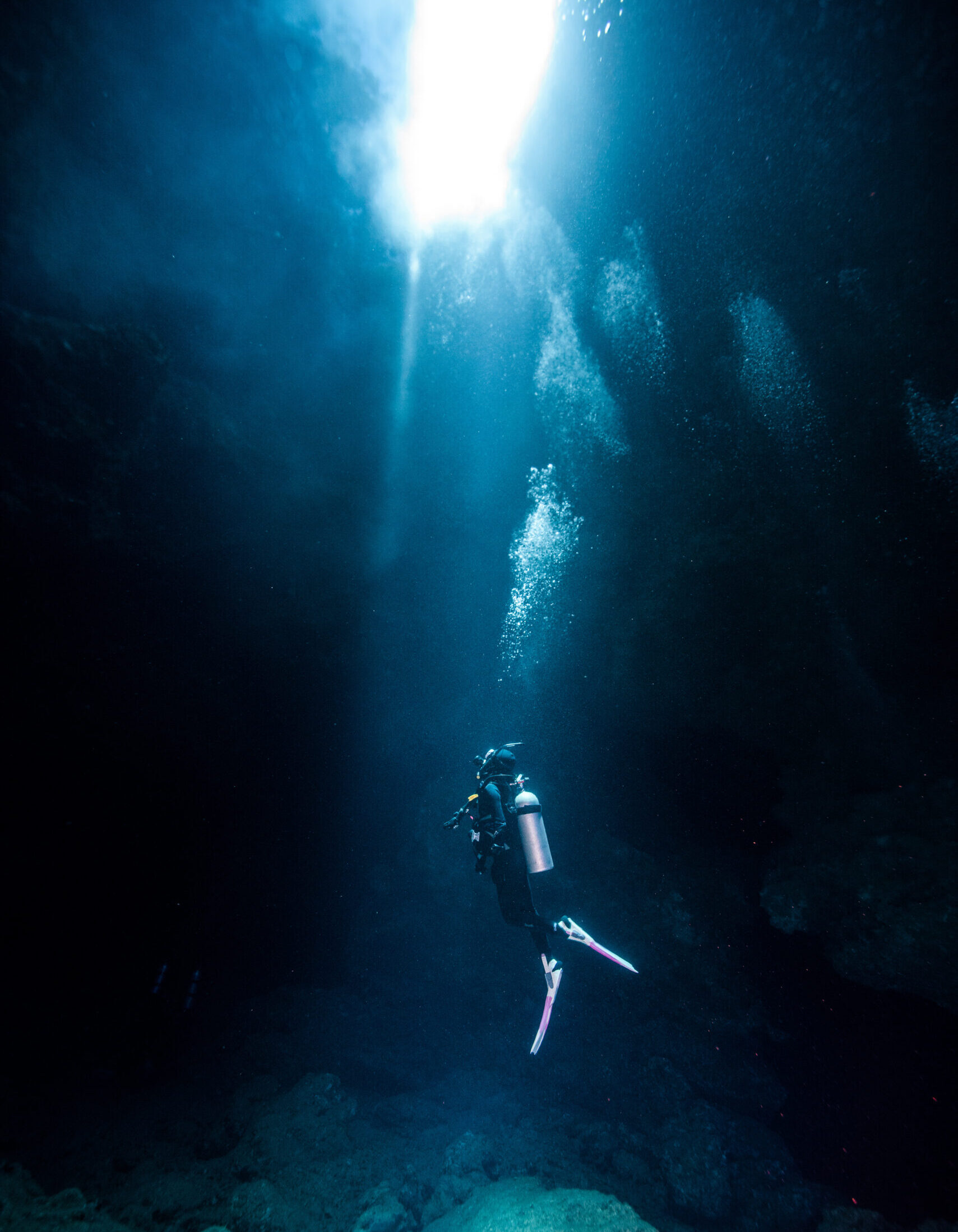
HOW DOES THE COURSE WORK?
From equipment preparation and dive site safety to the safe execution of a night dive or a dive in limited visibility conditions.
PLANNING AND SAFETY
You will learn the principles of dive planning, dive site safety, and risk assessment for night diving and limited visibility conditions.
LIGHTING AND COMMUNICATION
You will learn how to use dive lights, strobe lights, and light signals, as well as how to communicate effectively with your dive buddy.
NAVIGATION AND PRACTICE
During the practical sessions, you will practice underwater navigation, diving signals, and safe movement in more challenging conditions.
WHAT IS INCLUDED IN THE COURSE PRICE?
Everything you need to safely begin night diving and diving in limited visibility conditions.
Theory Training
You will learn about the hazards, safety procedures, and planning principles for night dives.
IN-WATER PRACTICE
You will develop your skills in using dive lights, underwater navigation, and buddy communication during real dives.
INTERNATIONAL CERTIFICATION
Upon successful completion of the course, you will receive the internationally recognized Night Diving / Limited Visibility Diver PSAI certification.
PREREQUISITES
Ready to discover the underwater world after dark?
BASIC DIVING CERTIFICATION
A basic or junior scuba diving certification is required.
AKTUALNE BADANIA LEKARSKIE
The participant must have a valid medical certificate confirming fitness to dive.
THE RIGHT EQUIPMENT
The participant should have basic scuba diving equipment, two dive lights, a strobe light, and a compass.
WHY DEMON RAY?
Learn night diving under the guidance of an experienced instructor.
PRACTICAL PREPARATION
The training covers real-life situations encountered during night dives and dives in limited visibility conditions.
PROCEDURES AND COMMUNICATION
Every part of the course focuses on proper navigation, light signals, and effective buddy teamwork.
New Experiences
Upon completing the course, you will be ready to discover a whole new side of the underwater world.
faq
Is this course suitable for beginner divers?
Yes. You must hold a basic or junior scuba diving certification and have a valid medical certificate confirming your fitness to dive.
Are night dives included in the course?
Yes. The practical training prepares you for real night dives as well as dives in limited visibility conditions.
What equipment do I need?
Basic scuba diving equipment, a minimum of two dive lights, a strobe light, and a compass are required.
What will I learn during the course?
You will learn safety procedures, underwater navigation, light communication, dive planning, and the proper use of dive lights.
Is night diving different from daytime diving?
Yes. Night diving requires different communication methods, greater situational awareness, and the proper use of light sources.
Does the course also prepare you for diving in limited visibility conditions?
Yes. The program includes both night diving and techniques for diving in limited visibility conditions.
READY TO DISCOVER UNDERWATER NIGHT LIFE?
Discover a whole new side of diving, master the use of dive lights, and learn to dive safely in limited visibility conditions.
Night Diving / Limited Visibility Diver PSAI at Demon Ray – new experiences, greater awareness, and safe diving after dark.


